What draws me back to Blue Mountains National Park is a single breath of cool mountain air as I step out at sunrise. That first golden light across the Jamison Valley always felt like a quiet invitation to pause and reflect. Have you ever felt a landscape hold space for your own inner journey? For me, the Three Sisters rising from the valley floor felt like wise friends greeting me, timeless and steady.
What is Blue Mountains National Park and why is it a World Heritage Site?
Blue Mountains National Park forms part of the Greater Blue Mountains Area, a UNESCO World Heritage Site inscribed in the year 2000. Spanning over one million hectares of sandstone plateaux, deep canyons and temperate eucalypt forests, this landscape showcases the evolutionary diversity of eucalypts, with 91 species representing nearly 13% of the world’s total. It also protects ancient species such as the Wollemi pine, thought extinct until its rediscovery in the 1990s.
This vast region exemplifies the shift of eucalypt lineages in post‑Gondwana Australia. The park’s mix of wet and dry sclerophyll forests, heathlands and swamps illustrates the ecological adaptability and evolutionary depth of these iconic Australian trees.
What is special about the Blue Mountains National Park?
Few images are as iconic as the Three Sisters, a trio of sandstone towers etched by weather and legend, standing sentinel over Jamison Valley. Their beauty is more than visual, their story is etched into Aboriginal Dreaming, connecting landscape and narrative.
Beyond Katoomba’s famous viewpoint, lookouts like Govetts Leap and Echo Point offer panoramic views that stretch across ridges, valleys and cliffs. Govetts Leap lookout in Blue Mountains National Park NSW offers a dramatic vista overlooking the Grose Valley, especially at sunrise when mist weaves through gullies.
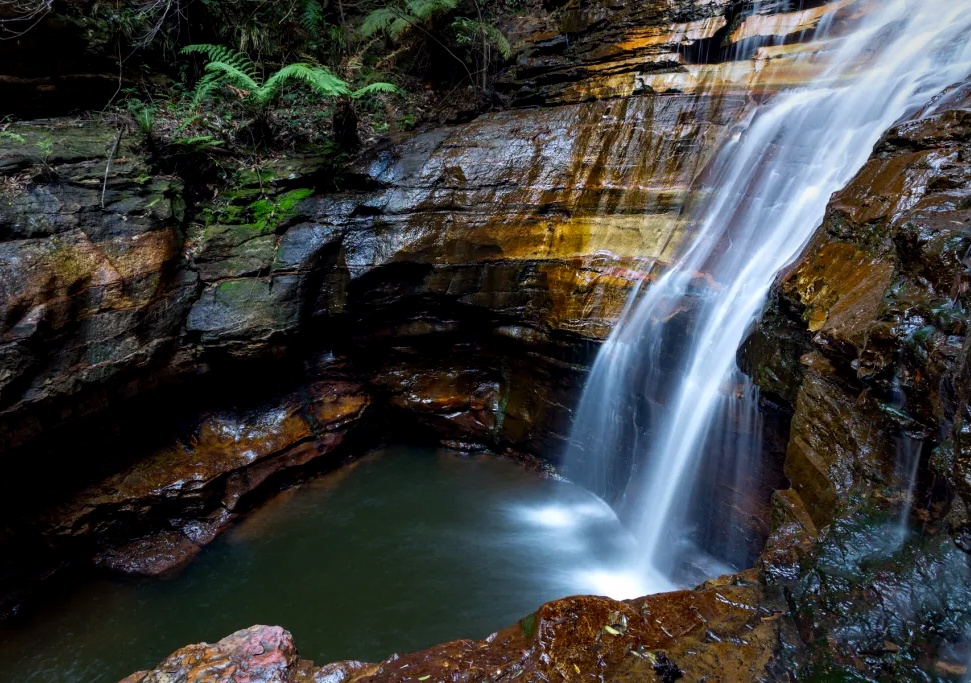
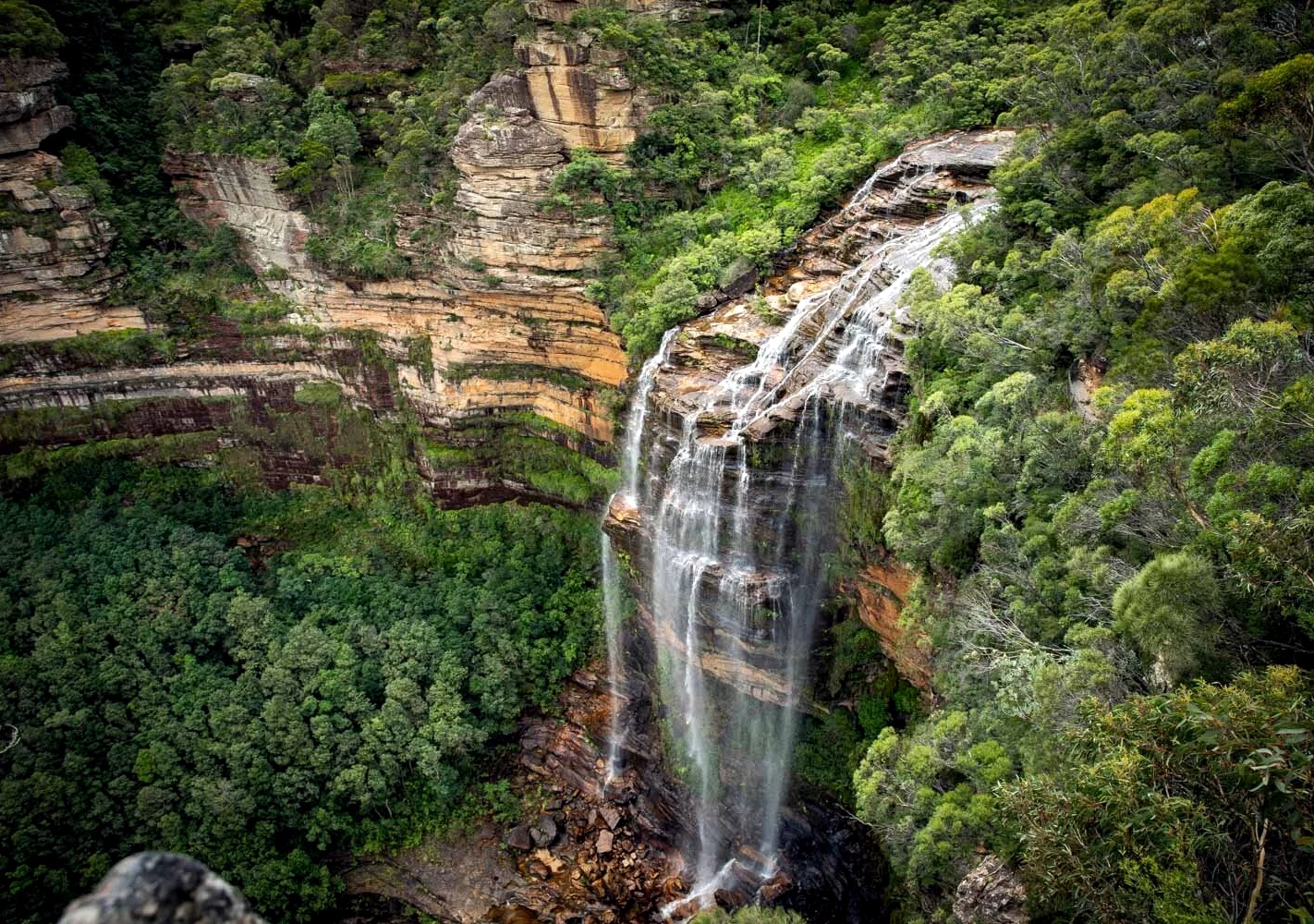
Other treasures include Wentworth Falls, a cascading waterfall that plunges through layered sandstone, and the vast Jenolan Caves, one of the world’s oldest cave systems, carved into limestone over 340 million years ago. These geological wonders speak not only to the Earth’s ancient history but to the cultural layers embedded in this living landscape.
How Can Visitors Experience Outdoor Activities in Blue Mountains National Park?
The park offers hiking trails that range from gentle cliff‑top walks to full‑day treks. Well‑known tracks include the Three Sisters Walk, Prince Henry Cliff Walk, and the challenging Grose Valley loop via Perrys Lookdown into Blue Gum Forest, with 600‑metre descents and a giant 600‑year‑old Eucalyptus deanei in the valley floor.
For more adventurous spirits, canyoning, abseiling and mountain biking are possible in selected gorges and valleys. The rugged terrain and remote plateaux offer natural playgrounds for guided adventure tours as well as independent exploration, as detailed by the NSW National Parks.
Horse riding experiences, particularly near the Megalong Valley, provide a slower, more rhythmic way to experience the forested trails and open meadows. For photographers and bird watchers, early morning light reveals vibrant king parrots, lyrebirds in full display, and mist-laced silhouettes of cliffs and trees.
Camping, too, is a cherished ritual here. Whether you pitch a tent at Dunphys Campground or seek a more remote escape in the wilderness areas, nights under the stars invite a profound connection to the rhythm of nature. Campfires, when permitted, draw people together with stories and shared meals.
What Wildlife and Plant Species Can Be Observed in the Park’s Diverse Ecosystems?
The park protects over 400 vertebrate species, including kangaroos, echidnas, platypus, koalas and colourful birdlife. Species of high conservation value, like the endangered Wollemi pine and the Blue Mountains water skink, found only in restricted swampy habitats, remind us of the region’s global importance.
Here, ecosystems vary widely, from mist‑shrouded rainforest gullies, through heathland ridge tops, to shaded eucalyptus gullies. Each ecosystem supports a unique web of life, including migratory honeyeaters, flame robins, tiger quolls, and rare reptiles.
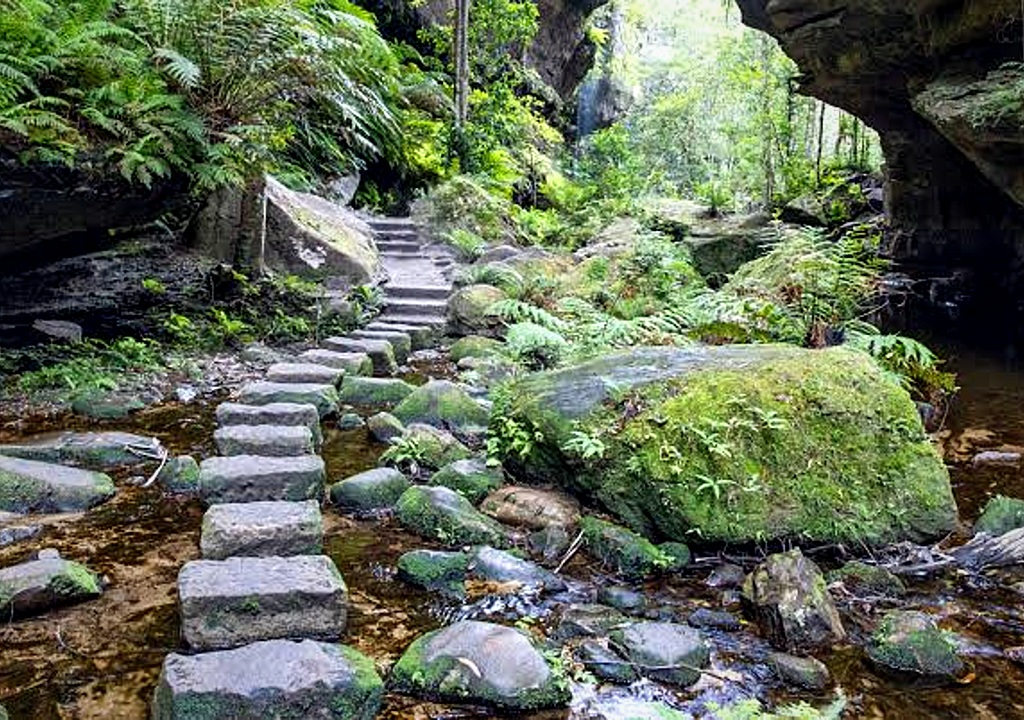
In spring, native wildflowers such as waratahs, banksias, and grevilleas burst into colour, attracting pollinators and hikers alike. In quieter seasons, moss-covered trails and lichen-draped rocks add their own kind of magic. These living systems shift with the seasons, each phase offering something distinct, whether it be the calls of frogs after rain or the hush of snowfall muffling the highland trees.
Conservation work is ongoing, supported by long-term stewardship and heritage initiatives. Park rangers and Indigenous custodians work together on land management practices that include firestick farming, invasive species control, and ecological monitoring. These efforts ensure that both cultural knowledge and biodiversity endure.
What Are the Best Times And Tips For Visiting Blue Mountains National Park?
Spring (September to November) and Autumn (March to May) are often considered the optimal seasons for visiting. Spring bursts with wildflowers and crisp air; autumn paints the bush in burnt orange and deep gold against the misty, blue‑hued ridges.
Summer (December to February) offers long daylight and warm weather, though occasional heatwaves or storms may occur, while winter (June to August) brings cooler temperatures and even light snowfall at higher elevations like Blackheath. Seasonal travel guidance is well-documented by Blue Mountains Tours.
Practical tips:
- Plan hikes in spring or autumn for comfortable temperatures and vivid scenery.
- Pack layers: mornings and evenings can be cool even in warmer months.
- Always check trail conditions and weather forecasts, and let someone know your route.
- Stay hydrated, wear sturdy footwear, and carry a map or GPS for rugged trails.
- If camping, book well in advance. Many sites fill early in spring and over the holiday period.
- Respect local wildlife and stay on designated trails to preserve sensitive ecosystems.
Summary
On a clear morning at Govetts Leap lookout, the valley below whispers stillness. The air carries the scent of eucalyptus and earth. Every step along the trails feels both timeless and intimate, a gentle invitation to reconnect with land and lineage.
There is something deeply restorative about this place. Its vastness offers space not only for exploration, but for inner grounding. In walking its tracks, sitting beside its creeks, and watching the colours change with the light, we begin to remember something essential about our place in the world.
I invite you to explore the Blue Mountains National Park, to listen to its quiet stories and walk through landscapes that have spoken across millennia. Whether you wander through Blue Gum Forest, rest at a ridge‑top lookout or descend into a canyon, the park offers deep encounters with nature. Share your experience, your favourite lookout, trail or wildlife sighting, and perhaps find your own journey mapped in its blue haze.