Perched at 1,000 metres above sea level on Mount Tomah, the Blue Mountains Botanic Garden offers a refreshing alternative to the region’s famous lookouts and bushwalks. This cool-climate garden showcases plants that thrive in cooler temperatures, making it a unique horticultural destination within the Blue Mountains. Unlike the area’s dramatic cliff-edge views and adventure activities, the garden provides a peaceful, educational experience where you can wander through carefully curated collections of rare and beautiful plants.
What is the Blue Mountains Botanic Garden?
The Blue Mountains Botanic Garden is part of the Royal Botanic Gardens Sydney network and sits on the traditional lands of the Darug and Gundungurra people. Established in 1987, the 28-hectare heritage-listed site takes advantage of its high-altitude location to grow cool-climate plants that wouldn’t survive in Sydney’s warmer coastal climate.
The garden’s elevation creates the perfect conditions for species from similar climates worldwide, including plants from the Southern Hemisphere’s temperate regions and ancient species that once covered the supercontinent Gondwana. This focus on cool-climate horticulture sets it apart from typical Blue Mountains attractions, offering visitors a chance to learn about plant conservation and biodiversity in a tranquil setting.
What to See at Blue Mountains Botanic Garden
Garden Collections and Highlights
The garden is divided into distinct themed areas, each showcasing different plant groups and horticultural styles:
- Southern Hemisphere Garden: Features plants from South America, South Africa and New Zealand that share similar growing conditions to Mount Tomah
- Gondwana Garden: Displays ancient plant species that evolved on the supercontinent Gondwana, including tree ferns, cycads and primitive flowering plants
- Formal Garden: Showcases structured European-style planting with perennial borders that change with the seasons
- Rhododendron Collection: One of Australia’s finest collections, with vibrant blooms transforming the garden each spring
Walking through these collections, you’ll notice how plants are grouped by their geographic origins and evolutionary history, making the garden both beautiful and educational.
Basalt Knoll Lookout
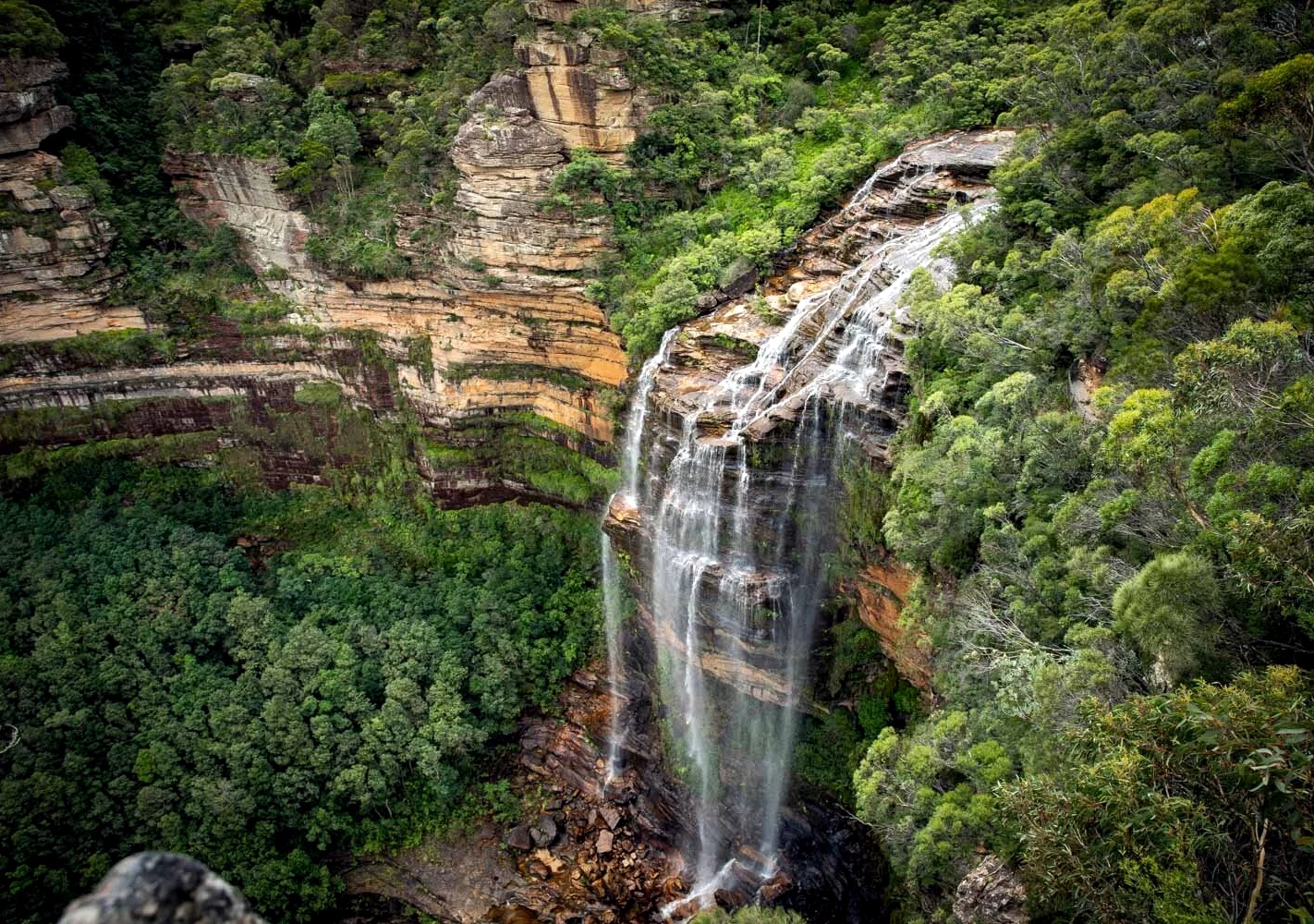
A short, accessible walk from the main garden area leads to Basalt Knoll Lookout, where you can take in sweeping views across the Grose Valley to Mount Hay and the Bell Range. The lookout platform provides a perfect photo opportunity and shows the contrast between the cultivated gardens and the wild bushland beyond. The walk to the lookout is gentle and suitable for most fitness levels, making it an easy addition to your garden visit.
Walking Trails and Activities
The Blue Mountains Botanic Garden offers several self-guided walking trails that wind through different garden sections. You can spend anywhere from 30 minutes to several hours exploring, depending on your interests.
Key trails and features include:
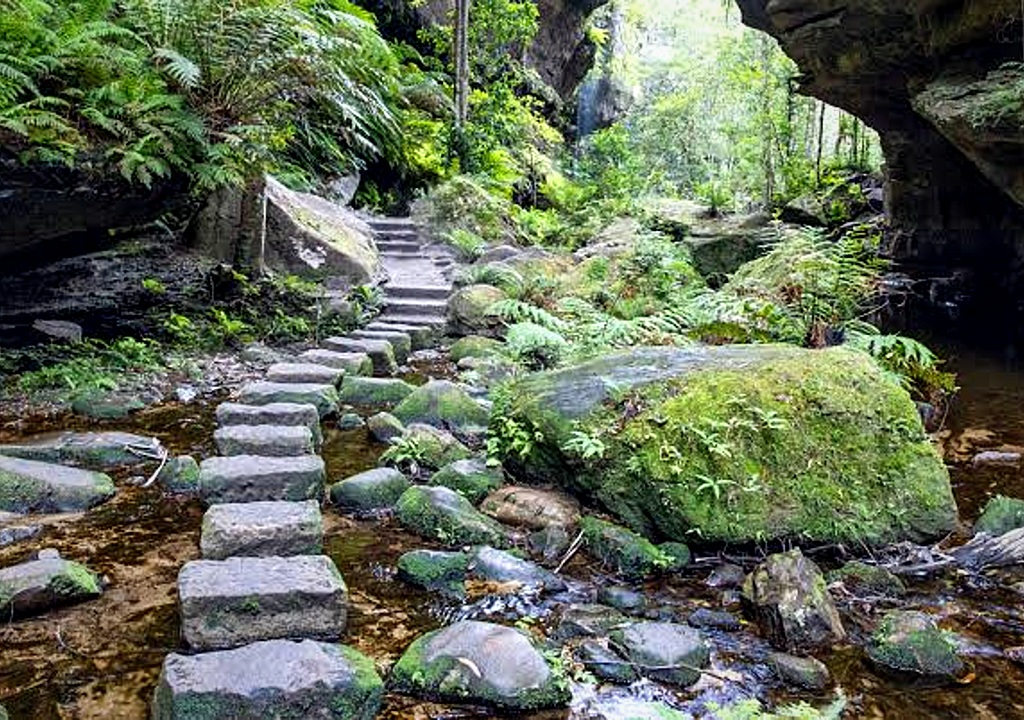
- Jungle Walk: A rainforest trail that passes through cool, shaded areas filled with tree ferns and moisture-loving plants
- Main garden circuit: Connects all major collections and takes approximately 1-2 hours at a leisurely pace
- Accessible pathways: Wide, sealed paths accommodate wheelchairs, prams and walking aids throughout most of the garden
The garden provides several designated picnic areas where you can stop for lunch surrounded by seasonal plantings. Throughout the year, the garden runs educational programs, guided walks and seasonal events. Check the official website before visiting to see what’s scheduled during your visit.
Visitor Information and Practical Details
Opening Hours and Entry
The Blue Mountains Botanic Garden is open daily from 9am to 5pm (last entry at 4.30pm). Entry to the garden is free, though donations are appreciated to support conservation and education programs.
The garden experiences distinct seasonal changes, so each visit offers something different. Spring and autumn typically provide the most comfortable weather for extended walks, while summer can be warm and winter mornings often feature frost on the plants.
Getting There
The garden is located on Bells Line of Road near the village of Mount Tomah, making it accessible via a scenic alternative route through the Blue Mountains.
Distances from key locations:
- Katoomba: 45 minutes (40km)
- Blackheath: 35 minutes (30km)
- Richmond: 50 minutes (45km)
- Sydney CBD: 2 hours (120km)
There’s ample free parking at the garden entrance. Public transport doesn’t service Mount Tomah, so you’ll need a car to visit. The drive along Bells Line of Road is particularly scenic, winding through mountain forests and farmland.
Facilities
The garden is well-equipped for day visitors with the following facilities:
- Visitor Centre: Provides maps, information and displays about the garden’s collections
- Gift Shop and Plant Nursery: Sells plants, gardening books and locally made products
- Tomah Botanic Garden Café: Serves breakfast, lunch and coffee using local produce
- Picnic Areas: Multiple spots throughout the garden with tables and seating
- Toilets: Clean facilities near the visitor centre
- Wheelchair Access: Most main pathways are accessible, though some garden sections have gentle slopes
Best Time to Visit Blue Mountains Botanic Garden
Each season brings different highlights to the garden, making it worth visiting year-round.
Spring (September-November) The garden comes alive with rhododendron blooms in vibrant pinks, purples and whites. Cool-climate bulbs, including daffodils and tulips add splashes of colour throughout the formal gardens.
Summer (December-February) Perennial borders reach their peak, with salvias, dahlias and other summer flowers creating stunning displays. The weather is warm but noticeably cooler than Sydney.
Autumn (March-May) Deciduous trees and shrubs transform the garden with golden, orange and red foliage. The weather is comfortable for walking, and the garden is often quieter than during spring.
Winter (June-August) Frosty mornings create a magical atmosphere, with ice crystals highlighting the garden’s structure. Clear, crisp days offer excellent visibility to the surrounding mountains.
The altitude means temperatures are typically 5-10 degrees cooler than Sydney, so bring a jacket even on warm days. Winter mornings can drop below freezing.
Nearby Attractions and Combining Your Visit
The Blue Mountains Botanic Garden sits along Bells Line of Road, an alternative route through the region that’s less travelled than the Great Western Highway. This makes it easy to combine your garden visit with other attractions.
Consider adding these stops:
- Mount Wilson: A historic village featuring private gardens that open seasonally, particularly spectacular in autumn
- Bilpin: Known as Sydney’s apple-growing region, with orchards, farm gates and the Hawkesbury Harvest Farm Gate Trail
- Cider Trail: Several cideries and breweries operate along Bells Line of Road, offering tastings and cellar door sales
- Bell Scenic Drive: A short detour from Bells Line of Road, providing mountain views and picnic spots
Bells Line of Road offers a quieter, more scenic alternative to the traditional Blue Mountains route, with less traffic and more rural character. You can create a loop journey by travelling to the Blue Mountains via one route and returning on the other.
The Blue Mountains Botanic Garden provides a peaceful counterpoint to the region’s more adrenaline-fuelled attractions. Whether you’re a keen gardener, plant enthusiast or simply looking for a relaxing mountain escape, allow at least 1-2 hours to explore the collections and enjoy the cool mountain air. The combination of rare plants, stunning seasonal displays and panoramic valley views makes it one of the Blue Mountains’ hidden gems.