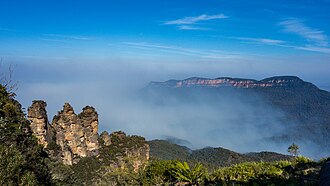
The Blue Mountains stretch across a vast escarpment of wilderness just west of Sydney, offering a rich tapestry of natural beauty, cultural history, and adventure. With deep valleys, hanging swamps, towering sandstone cliffs, and waterfalls that shift with the seasons, it’s no wonder that hiking is one of the most treasured ways to experience this region. Whether you’re a seasoned trekker or a weekend wanderer, the Blue Mountains delivers a trail that will challenge, soothe, and inspire. According to Wikipedia, the region is a World Heritage-listed site known for its dramatic scenery and ecological diversity.
Why is the Blue Mountains Hike a must-do activity?
A Blue Mountains hike is more than exercise. It’s an immersive journey through sandstone escarpments, hanging swamps, rainforest gullies, and ancient rock formations. The region’s trails reveal sweeping valleys, cascading waterfalls, and rare glimpses of wildlife. With walks ranging from gentle to rugged, hiking here opens a deeper connection to the land and seasons.
Each step invites presence. Birdsong echoes through tree ferns, sunlight dapples forest floors, and cool mist rises from the valley after rain. Whether you walk for solitude or shared experience, the Blue Mountains offer a trail to match your pace.
What Are the Top Destinations for a Blue Mountains Walk
Wentworth Falls and Surrounds
This popular destination rewards with dramatic scenery. The Wentworth Falls Track offers an accessible, scenic loop that hugs the cliffline and leads to multiple lookouts. Highlights include the upper and middle falls, as well as panoramic views over the Jamison Valley.
For more exploration, continue on the Undercliff and Overcliff Walks. These quieter tracks offer a mix of sheltering ledges, weathered steps, and secluded spots to rest with valley views.
Echo Point and the Three Sisters Walk
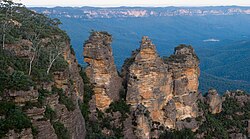
Echo Point is the most iconic starting point for a Blue Mountains hike. Just a short, paved stroll leads you to the Three Sisters rock formation, steeped in Aboriginal legend. The lookout offers unmatched views, especially at sunrise or sunset.
Adventurous walkers can descend the Giant Stairway, a steep track carved into the cliff that leads toward the valley floor and connects with the Federal Pass for longer treks.
Grand Canyon Walk
A jewel of the region, the Grand Canyon Walk is a moderate loop through rainforest gullies and sandstone canyon walls. Expect moss-covered rocks, shaded creeks, and fern-fringed grottoes along this 6.3 km circuit.
Bridges, tunnels, and stone steps create a sense of journey, while cool air and filtered light invite slow, mindful walking. It’s ideal for nature lovers seeking immersion in native bushland.
Govetts Leap and Grose Valley Tracks
From Govetts Leap Lookout, take in sweeping vistas of the Grose Valley. This area offers both easy and challenging walks. The Cliff Top Track is a relatively gentle route linking Govetts Leap to Evans Lookout, ideal for casual walkers.
More experienced hikers can take the Rodriguez Pass Circuit, which descends into the valley and loops back via Bridal Veil Falls. This trail includes rock scrambles, river crossings, and changing terrain.
Leura Cascades and Leura Forest
Leura Cascades offers tranquil beauty along fern-lined pathways with the soft soundtrack of flowing water. It’s perfect for a relaxed wander or picnic.
Link your walk with the Prince Henry Cliff Walk to experience elevated views and a connection to Echo Point. Trails also link into the Leura Forest, a lush pocket tucked beneath the cliffs, where lyrebirds and waterfalls wait. Afterwards, head into the nearby village for coffee or a local lunch.
Comparison of Blue Mountains Hiking Trails
| Trail Name | Difficulty Level | Distance | Key Highlights | Approximate Duration |
| Wentworth Falls Track | Easy to Moderate | 2.4 km return | Waterfalls, lookouts | 1.5–2 hours |
| Three Sisters Walk | Easy | 1 km return | Iconic rock formation, photo ops | 30–45 minutes |
| Grand Canyon Walk | Moderate | 6.3 km loop | Rainforest, canyon views | 3–4 hours |
| Ruined Castle Trek | Moderate to Hard | 9 km return | Panoramic views, geological features | 4–5 hours |
| Six Foot Track | Hard | 44 km (multi-day trek) | Wilderness, historic route | 2–3 days |
How to Stay Safe and Respect Nature on Your Blue Mountains Hike
Following Trail Etiquette and Minimising Environmental Impact
Stay on marked tracks, avoid short-cutting switchbacks, and carry out all rubbish. Take only photos and leave only footprints. Use designated paths to prevent erosion and protect native plants.
Preparing for Emergencies and Understanding Local Wildlife
Always carry water, snacks, a fully charged phone, and a basic first aid kit. Let someone know your route and expected return. Be aware of snakes, especially in warmer months, and give wildlife space.
Keeping Informed About Trail Conditions and Weather Alerts
Check local alerts before heading out. The NSW National Parks provides live updates on track closures, weather warnings, and bushfire safety information. Conditions can change quickly, with fog, rain, or heat impacting trail safety. National Parks websites and local visitor centres provide updated information and maps. For example, Blue Mountains Australia offers trail overviews, difficulty ratings, and maps to help plan your visit.
Hiking in the Blue Mountains is a practice in presence and respect for nature, for others, and for the stories that live within this ancient land. Each trail tells its own story through light, sound, and stone. By walking slowly, treading lightly, and opening our senses to what surrounds us, we become part of that story, if only for a moment. The Blue Mountains are not just a destination; they are an invitation to reconnect, restore, and remember.